What Should Be Checked When Selecting a Power Cord?
A practical checklist covering plug type, voltage, current, earthing, cable construction and the appliance-side connector.
A power cord should not be selected solely because its plug physically fits a socket. Supply voltage and frequency, product current rating, protective-earthing requirements, appliance-side connection and cable construction must be evaluated together.
Start with the market and connection system
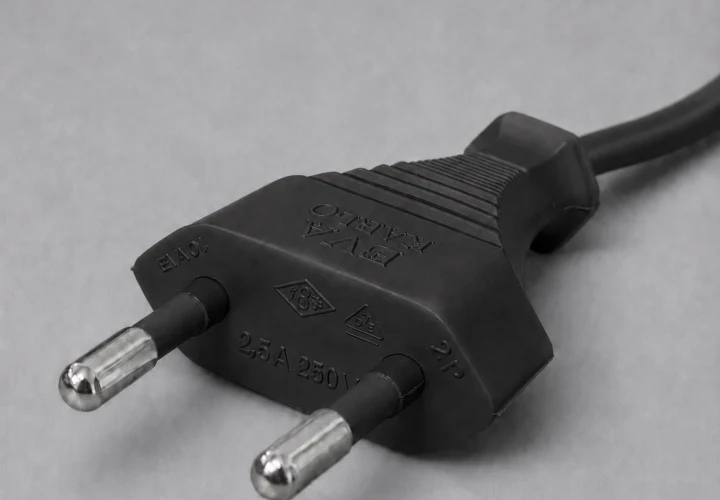
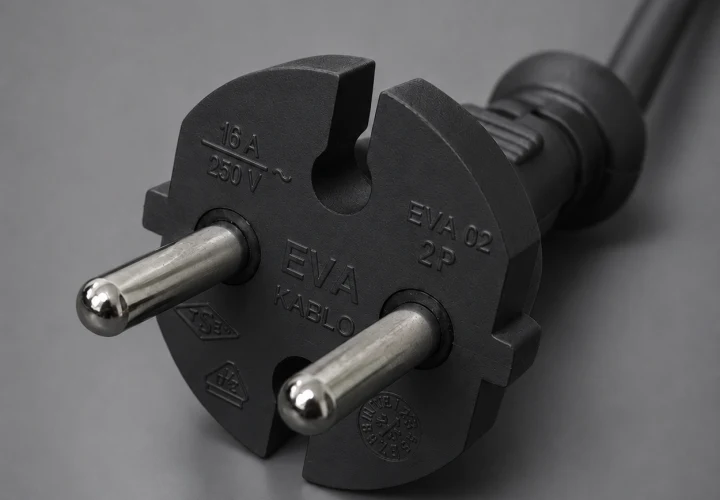
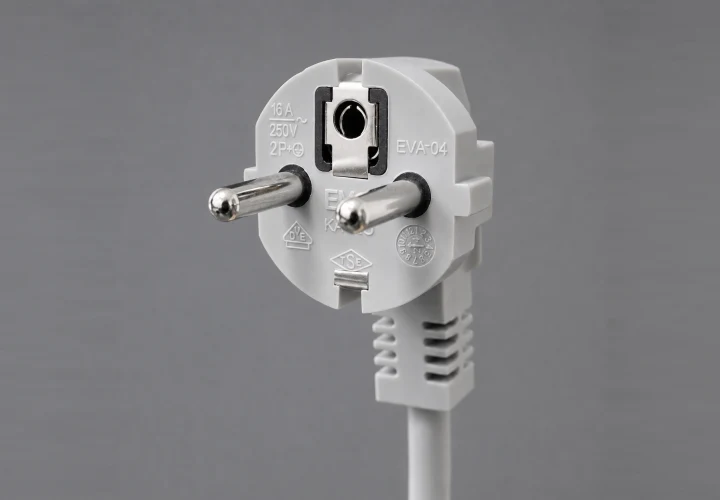
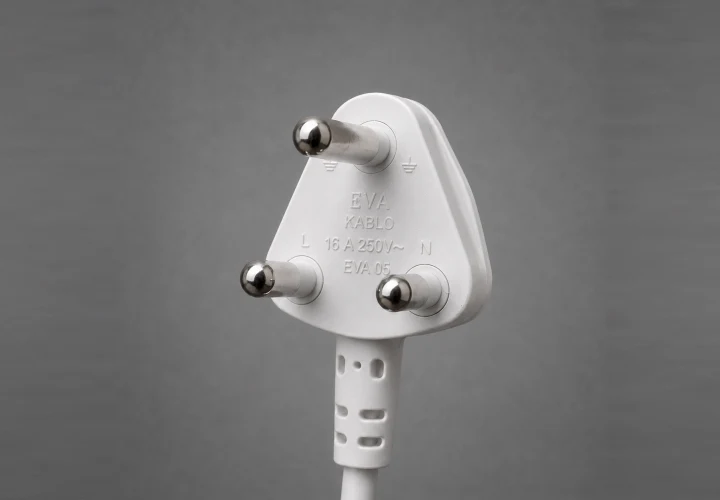
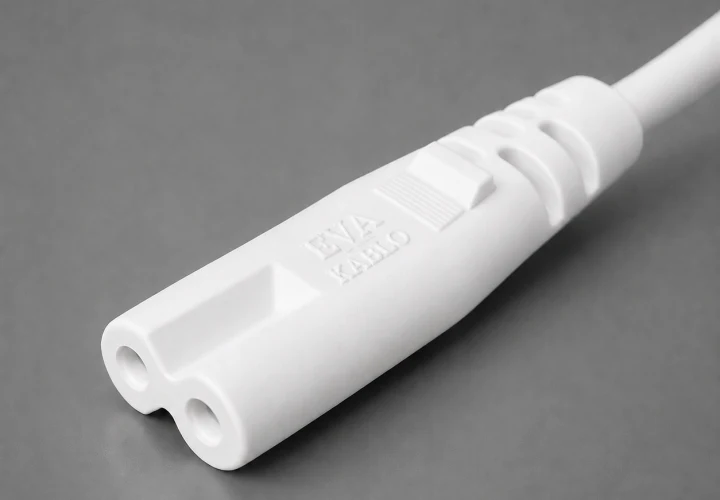
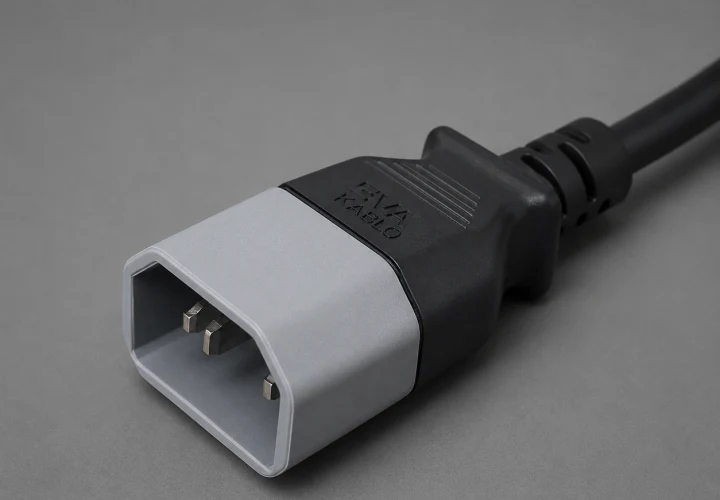
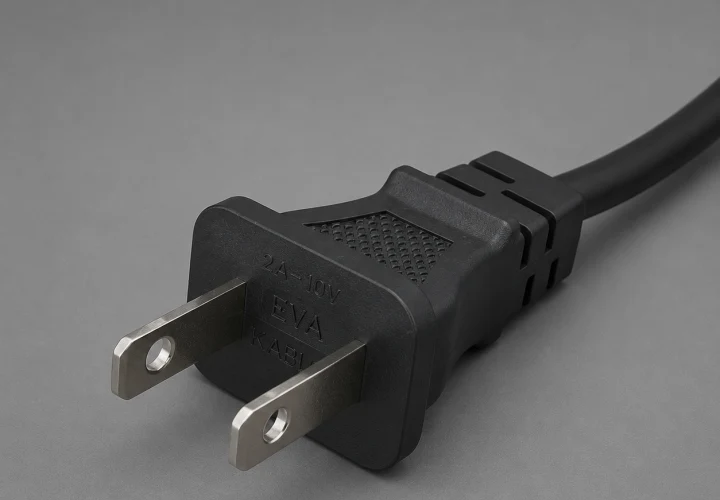
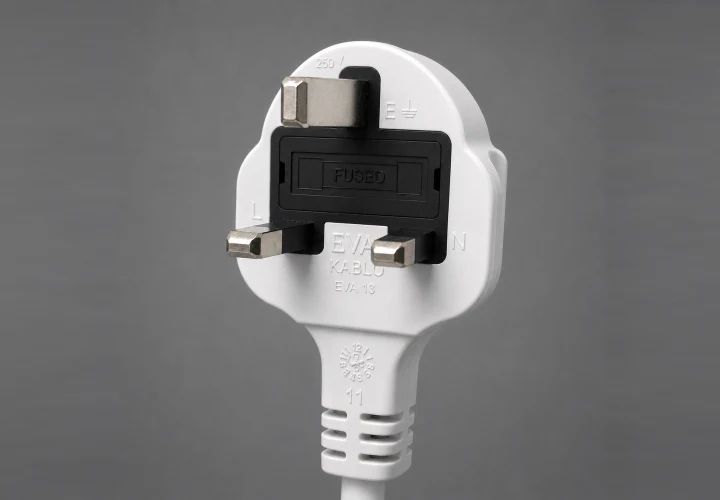
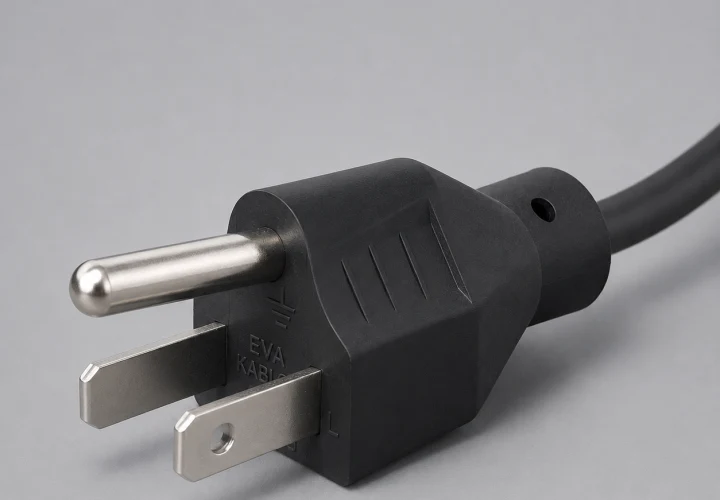
Plug forms such as Type C, E, F, G, A, B and M are associated with different markets and connection systems. Products that look similar can have different earthing arrangements, pole counts or ratings. An appliance-side C7, C13, C14 or special chassis connection also changes the required product family.
Electrical and mechanical checks
- The ratings of the plug and cable assembly must be compatible with the appliance.
- Protective-earth continuity is required for applicable Class I equipment, while Class II equipment may use a different arrangement.
- Core count and cross-section must be verified against load and cord length.
- Cable outlet, strain relief and expected movement must suit the application.
- Standards and approvals required in the target market should be defined before ordering.
A power cord is a system component; the plug, cable and appliance connection must be assessed as an assembly. Final configuration should be verified against the equipment manufacturer’s technical file, target-market requirements and the necessary conformity assessment.